In the space of a few hours this morning, the Iran war produced its most consequential diplomatic movement since the ceasefire collapsed. Iran declared the Strait of Hormuz fully open.
Oil prices dropped 10%. Stock markets surged to new records. And Trump, while welcoming the announcement, confirmed that the US naval blockade of Iranian ports would remain in full force until a permanent peace deal is signed.
Welcome to the new normal: a waterway that is simultaneously open and blockaded, a ceasefire that both sides say is in effect and both sides say is being violated, and a peace process that has now been declared “very close” by a president who said the same thing three weeks ago.
Here is what is actually happening, and what it means.
The Lebanon Ceasefire That Changed the Equation
The immediate trigger for today’s movement was not the US-Iran track. It was Lebanon. A 10-day ceasefire between Israel and Lebanon took effect on Thursday evening, with civilians rushing south toward destroyed villages before officials had even confirmed the truce would hold.
Gunshots rang out across Beirut as residents fired into the air in celebration. Trump called it potentially “a historic day for Lebanon” on Truth Social.
Iran moved almost immediately. Foreign Minister Abbas Araghchi posted on social media Friday morning that passage for all commercial vessels through the Strait of Hormuz was “declared completely open for the remaining period of ceasefire, on the coordinated route.”
The linkage was explicit: the Strait opening was framed as being in line with the Lebanon ceasefire, not as a concession to the US blockade. Tehran was signalling a willingness to de-escalate on its own terms, not Washington’s.
Why Trump Is Keeping the Blockade Anyway
Trump thanked Iran and called the Strait opening a positive development. He then said the US blockade of Iranian ports would remain “in full force” until a comprehensive peace deal is concluded. Negotiations, he added, “should go very quickly.”
The logic is not complicated. The blockade is leverage. The moment the US lifts it without a signed agreement, Iran has less incentive to conclude one. Trump is holding the economic pressure in place precisely because the Strait opening shows it is working.
Iran blinked on the waterway. Washington wants to see whether it will also blink on the nuclear programme, the missile limits, and the restrictions on support for armed groups that the US has demanded as conditions for a full settlement.
Iran’s deputy foreign minister made Tehran’s counter-position equally clear: Tehran rejects any temporary ceasefire and is seeking a comprehensive end to the war across the entire region, including Lebanon and Iraq. That is a significantly broader demand than what Washington is currently prepared to offer. The gap between the two positions remains substantial.
The Mines Problem Has Not Gone Away
Even with the Strait declared open, the physical reality of safe transit remains unresolved. Reports have emerged that Iran lost track of naval mines it planted in the waterway, making full reopening technically complicated even when political will exists.
Britain and France held a virtual summit this week specifically to discuss restoring safe shipping through the Strait given the mine threat. The US Navy’s mine-clearing operations, which Iran previously condemned as a ceasefire violation, continue.
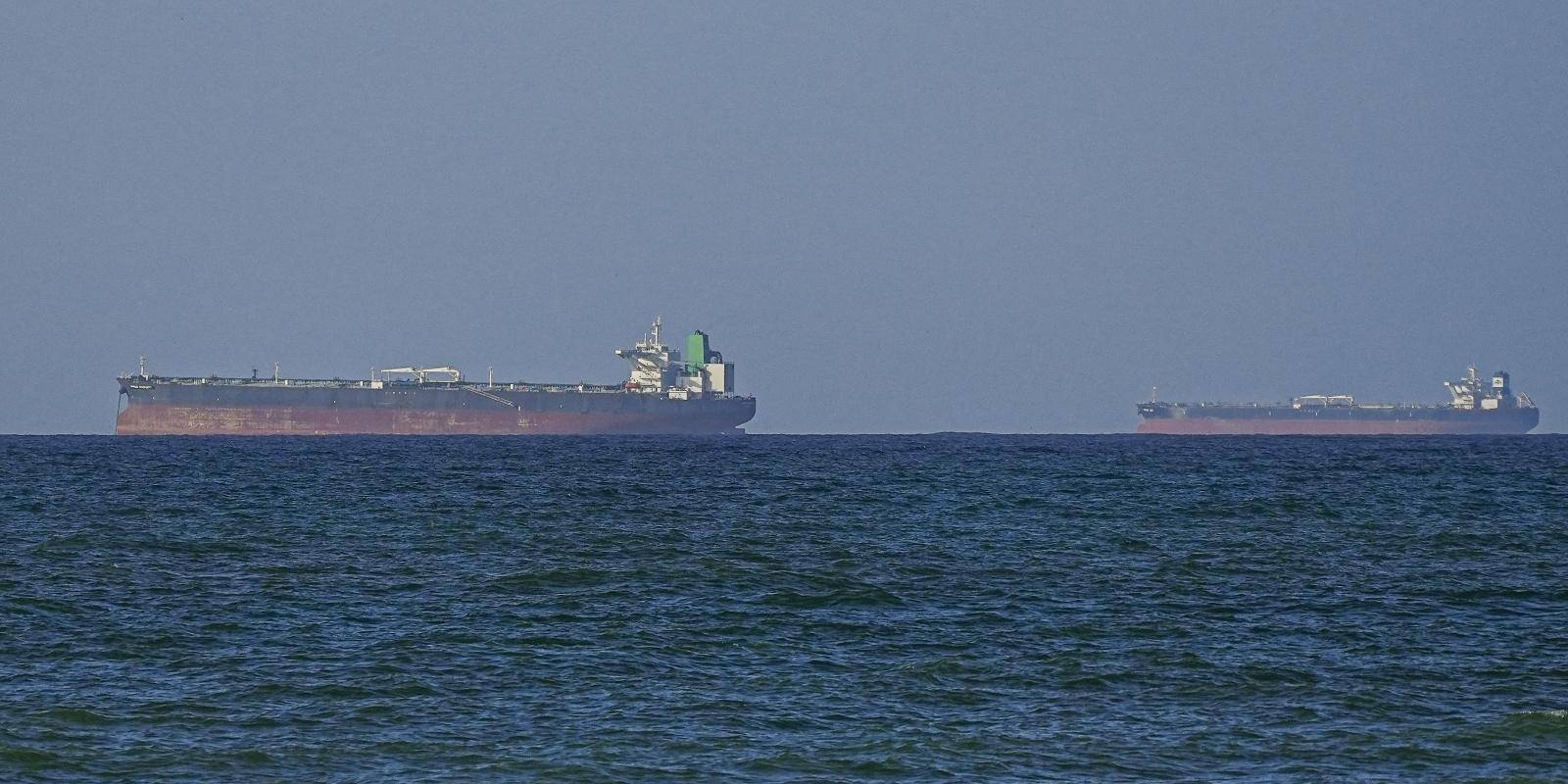
This means the 230 loaded oil tankers that have been trapped inside the Persian Gulf cannot simply start moving. Insurers withdrew coverage when the Strait was closed and have not yet restored it.
Shipping companies will need independent verification that safe transit routes are clear before they commit vessels. The price of oil fell sharply on the announcement, which reflects market relief at the diplomatic signal. Whether the physical supply actually flows through in meaningful volume in the coming days is a separate question.
Pakistan, the Diplomat Everyone Is Relying On
The ceasefire architecture that produced today’s movement runs almost entirely through Islamabad. Pakistan’s Prime Minister Shehbaz Sharif is currently touring Saudi Arabia and Qatar, with his Army Chief simultaneously in Tehran. Pakistan’s foreign ministry described the effort as part of “collective efforts aimed at promoting regional peace and de-escalation.”
It is a remarkable diplomatic moment for a country that has struggled with its own internal instability, and its role as the indispensable intermediary between Washington and Tehran has given Islamabad a geopolitical prominence it has not held in decades.
What Comes Next
The next few days will be decisive. The Lebanon ceasefire is 10 days long, not permanent. The US-Iran truce, already violated by both sides on multiple occasions, remains fragile.
Iran has now opened the Strait as a gesture tied to the Lebanon de-escalation. If that gesture is met with a corresponding movement on the US side, whether through a partial easing of the blockade or a concrete negotiating offer on sanctions relief, a broader settlement becomes possible.
If Trump holds all pressure in place while simultaneously demanding Iran give up its nuclear programme upfront, the gesture will expire with the ceasefire and the Strait will close again.
Trump says a deal should come “very quickly.” Iran says it wants a comprehensive settlement, not another temporary pause. The markets are trading the optimism.
The diplomats are trading something more complicated. As of this morning, the blockade remains, the mines remain, and the peace deal does not yet exist. But for the first time in weeks, both sides are moving in the same direction at the same time. That is not nothing.
About the Author