While the world has been watching the Strait of Hormuz, something important is quietly unraveling in a province most people couldn’t find on a map.
In the northern tip of Mozambique, a coastal strip called Cabo Delgado, a thousand Rwandan soldiers have spent five years fighting an Islamic State-linked insurgency that burned towns, killed thousands, and forced French energy giant TotalEnergies to suspend a $20 billion gas project in 2021.
Those soldiers stabilized the region. They died doing it. And now Rwanda is threatening to pull them all out, because the West sanctioned Rwanda for something happening in a completely different country, then stopped paying the bills.
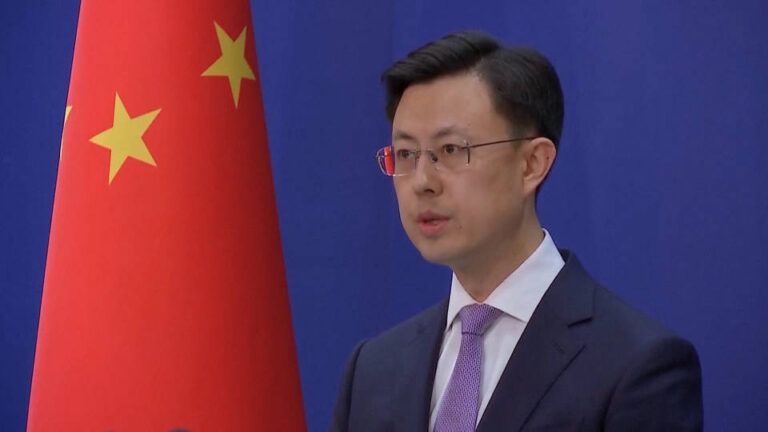
Rwanda’s Foreign Minister Olivier Nduhungirehe didn’t soften the message when he posted on X last Saturday. “It’s not that Rwanda could withdraw. It’s that Rwanda WILL withdraw”, if sustainable funding isn’t secured for operations in Cabo Delgado.
Rwanda’s government spokesperson was equally direct: the cost of the mission is at least ten times what the EU has paid. That’s not a funding gap. That’s a funding illusion.
What Rwanda Has Actually Been Doing There
This matters more than it sounds. The insurgency in Cabo Delgado, locally called Al-Shabaab, though unconnected to the Somali group, erupted in 2017 and spent four years getting progressively more brutal.
The 2021 attack on the coastal town of Palma lasted 12 days and killed around 800 people.
TotalEnergies halted construction on its LNG project. Hundreds of thousands of people fled. The Mozambican military, badly outgunned and badly organized, couldn’t contain it.
Rwanda sent troops in July 2021. By most independent assessments, they turned the situation around.
Key districts were reclaimed. Displaced people started going home. Schools reopened.
And TotalEnergies, which had declared force majeure, the legal term for “we’re abandoning the project due to circumstances beyond our control” — lifted that declaration in January and restarted the $20 billion project, with production now targeted for 2029.
That gas project sits inside a wider $50 billion cluster of energy investments in the region, ExxonMobil, ENI, and others are all there. All of it depends on the security situation holding.
The Funding Situation Is a Mess
The European Union’s European Peace Facility, the mechanism that funds exactly this kind of mission, has contributed about 20 million euros to Rwanda’s Mozambique operations since 2021.
Rwanda says the actual cost has been at least 200 million euros. The EU was paying roughly a tenth of the bill and calling it support.
That arrangement was already unsustainable. Then two things happened simultaneously.
First, the EU announced it had no plans to renew even that partial funding when it expires in May.
Second, the US government, earlier this month, slapped sanctions on the Rwanda Defence Force and four senior Rwandan military officials over their alleged support for M23 rebels in eastern Democratic Republic of Congo.
A completely separate conflict. A completely separate country. But the sanctions complicated every channel through which Rwanda might receive international military cooperation funding, including for Mozambique.
Nduhungirehe’s X post captured Rwanda’s position with barely concealed fury: “We didn’t pay hundreds of millions of dollars and our soldiers didn’t pay the ultimate sacrifice to stabilize this region… just to see our valiant soldiers being constantly questioned, vilified, criticised, blamed or sanctioned by the very countries that greatly benefit from our intervention.”
He didn’t name the US. He didn’t need to.
What Happens If Rwanda Leaves
Stratfor’s assessment, published this week, is that a complete withdrawal is unlikely in the near term.
Rwanda has too much reputational and strategic investment in Cabo Delgado to walk away entirely, and Kigali knows a partial drawdown could spiral into the kind of security collapse that makes the entire five-year effort pointless.
But a partial withdrawal? That’s very much on the table. And even a partial drawdown raises the prospect of rising insurgent activity, renewed displacement, and energy companies reconsidering whether the northern Mozambique LNG projects are actually viable.
TotalEnergies just restarted a $20 billion project. ExxonMobil has billions committed to the region. These companies don’t stay in active insurgency zones.
If Rwandan forces thin out and the security situation deteriorates, the force majeure declarations come back. The gas doesn’t flow. Europe, which has been scrambling to diversify its energy supply away from Russian gas since 2022, loses access to a source it has been counting on for later this decade.
The Wider Problem This Exposes
The Rwanda-Mozambique situation reveals a lot about how Western security policy actually works in Africa.
Rich countries benefit enormously, energy projects, stability, counterterrorism, from missions they fund at a fraction of the actual cost.
When the country doing the heavy lifting gets sanctioned for something happening elsewhere, nobody recalibrates.
The sanctions go on. The funding lapses. The troops get told their work isn’t valued. And then everyone acts surprised when the country doing the work says enough.
Rwanda’s costs exceed EU support by at least ten times. For five years, Kigali absorbed that gap because the mission mattered and because it built Rwanda’s reputation as a credible security partner.
But there are limits to how long any country absorbs a $200 million annual bill while being sanctioned by the people who asked them to take it on.
May is the deadline. The EU funding expires. No renewal is currently planned. The US sanctions complicate every alternative funding mechanism.
And in Cabo Delgado, the insurgency that was pushed back, not defeated, pushed back, is still there. Still waiting.
A lot of very expensive infrastructure depends on those Rwandan soldiers staying put. Right now, nobody in Brussels or Washington seems to be treating that as urgent.
About the Author