
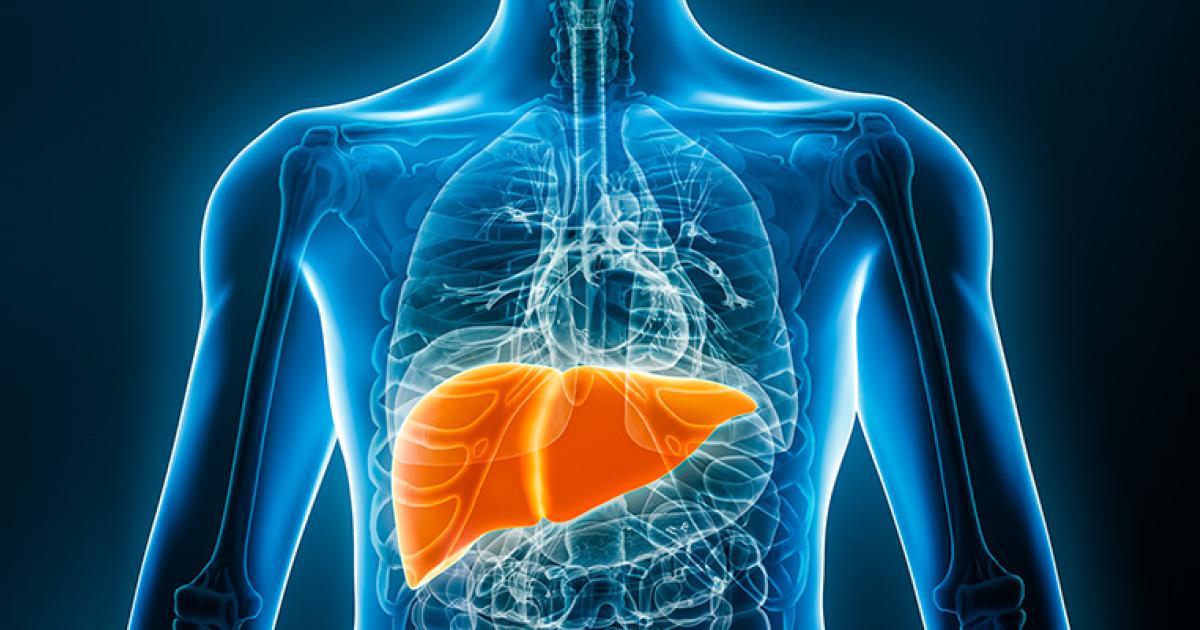
The liver does not have pain receptors.
That single anatomical fact explains why liver disease kills so many people who never saw it coming.
Other organs protest loudly when something goes wrong.
The heart races. The lungs tighten. The stomach cramps. The liver just quietly deteriorates, carrying out its hundreds of daily functions as best it can, sending signals that are so easy to dismiss as tiredness, stress, or getting older that most people never connect them to anything serious.
By the time liver disease announces itself unmistakably, significant damage is often already done.
More than 4.5 million Americans have been diagnosed with liver disease. Millions more are estimated to have it without knowing.
Johns Hopkins Medicine notes that liver disease can progress for years before symptoms become impossible to ignore.
The gap between what the body is trying to communicate and what people actually recognize is where most of the damage happens.
Here are the things to actually look for.
Fatigue That Doesn’t Make Sense
Not ordinary tiredness. Not the kind that eight hours of sleep fixes.
This is a bone-deep exhaustion that persists regardless of how much rest you get. You wake up tired. You feel heavy. Everyday tasks require effort that they didn’t used to require.
The reason is straightforward. When the liver is struggling, it cannot efficiently process toxins or regulate the body’s energy production.
Those toxins accumulate in the bloodstream. The result is a systemic sluggishness that most people attribute to stress, aging, or poor sleep rather than a compromised organ.
Persistent fatigue without a clear explanation is one of the earliest and most commonly missed signs of liver trouble. If you have been tired for months without an obvious reason, it is worth mentioning to a doctor.
Itching With No Rash
This one is unusual enough that most people never connect it to their liver at all.
When the liver is not processing bile properly, bile salts can accumulate in the bloodstream and eventually deposit in the skin.
The result is an itching sensation, sometimes intense, that has no visible cause. No rash. No dryness. No obvious irritant. Just an itch that won’t go away.
People buy antihistamines. They change their laundry detergent. They moisturize more. The itching continues because the source is internal, not external.
If you have been itching persistently without explanation, your liver may be the place to start looking.
Bruising More Easily Than You Used To
The liver produces the proteins your blood needs to clot properly. When liver function declines, clotting factor production drops with it.
The practical result is that you bruise from minor contact that would not have left a mark before. Small bumps turn into large bruises. Cuts take longer to stop bleeding. Nosebleeds become more frequent.
Most people chalk this up to aging or low iron. Sometimes that is the explanation.
But easy bruising combined with other subtle symptoms is worth a conversation with a physician, particularly if it has developed gradually over months.
Changes in Urine and Stool Color
These are signals most people notice and then immediately decide not to think about.
Dark urine, the color of strong tea or amber, can indicate that excess bilirubin is being filtered through the kidneys because the liver cannot process it.
Bilirubin is the yellow pigment produced when red blood cells break down. A healthy liver handles it efficiently. A struggling liver lets it accumulate.
Pale or clay-colored stools point to the same underlying issue from a different angle.
Bile gives stool its normal brown color. When bile flow is reduced or blocked due to liver dysfunction, stools lose their color.
Clay-colored or pale grey stools are not normal and should not be ignored.
Neither of these symptoms requires a rash or pain to be significant. They are quiet signals from a body trying to communicate something important.
Digestive Discomfort That Comes and Goes
Nausea. A loss of appetite. Getting full much faster than usual. A general sense of digestive unease that never quite develops into anything dramatic.
These symptoms are so common to so many conditions that liver disease rarely enters the picture as an explanation. People assume stress, a stomach bug, or dietary sensitivity and move on.
But the liver plays a direct role in digestion. It produces bile, which is essential for breaking down fats.
When the liver is compromised, bile production suffers, digestion becomes less efficient, and the result is persistent low-level discomfort that tends to come and go rather than arriving as a clear, consistent pain.
Early fatty liver disease in particular often presents with mild nausea and a reduced appetite before any other more recognizable symptoms appear.
Brain Fog and Difficulty Concentrating
When the liver cannot clear toxins from the blood efficiently, those toxins eventually affect the brain.
The result is a condition called hepatic encephalopathy in its more severe forms, but even in its early, mild forms it shows up as difficulty concentrating, memory lapses, slower thinking, and a general mental fogginess that feels different from ordinary tiredness.
In older adults, this cognitive impairment is frequently misattributed to dementia or normal age-related memory loss.
A study in the Journal of Clinical and Experimental Hepatology found that mental confusion caused by liver disease is significantly underdiagnosed in people over 65. Patients receive treatment for the wrong condition while the liver continues to decline.
If someone you know has developed unexplained cognitive changes, particularly alongside any of the other symptoms described here, liver function testing is worth requesting.
Swelling in the Abdomen, Legs, or Ankles
Fluid retention is a more advanced sign, but it frequently goes unrecognized for what it is.
A damaged liver produces less albumin, the protein that helps keep fluid inside blood vessels. When albumin levels drop, fluid leaks into surrounding tissue.
In the abdomen, this produces ascites, a buildup that can make the belly appear distended. In the legs and ankles, it appears as puffiness or swelling that worsens through the day.
People often attribute ankle swelling to standing too long, hot weather, or salt intake. Sometimes that is the cause. But persistent swelling that does not resolve with rest, particularly in combination with any of the symptoms above, warrants investigation.
Jaundice: The One That Is Hard to Miss
Yellowing of the skin and the whites of the eyes is one of the more recognizable signs of liver disease, but it still gets ignored more often than it should.
It happens when bilirubin builds up in the bloodstream faster than the liver can process and excrete it. The yellowish tinge appears first in the eyes, then the skin.
It is most visible in natural light and can be subtle enough in its early stages to be dismissed as tiredness or an odd lighting condition.
Johns Hopkins Medicine identifies jaundice as sometimes the first and only visible sign of liver disease. It should always prompt a medical evaluation, not a wait-and-see approach.
Who Is Most at Risk
These signs matter more urgently if any of the following apply to you.
Heavy or long-term alcohol use. Obesity or metabolic syndrome. Type 2 diabetes. A history of hepatitis B or C. Family history of liver disease.
Long-term use of certain medications, including some over-the-counter pain relievers like acetaminophen. Exposure to industrial chemicals or toxins. Rapid weight gain or loss. A blood transfusion before 1992.
None of these make liver disease inevitable. But they raise the baseline risk significantly, which means the subtle signals deserve more attention, not less.
What to Actually Do
A standard blood test called a liver function panel can detect elevated liver enzymes before serious damage has occurred. It is simple. It is inexpensive. It is not routinely ordered unless a doctor has a specific reason to look.
If you have been experiencing persistent fatigue, unexplained itching, easy bruising, digestive discomfort, or any of the other symptoms described here, ask your doctor to include liver function testing at your next blood draw. You do not need to present dramatically unwell to make that request. You just need to ask.
The liver is one of the few organs capable of regenerating itself if caught early enough. Early-stage fatty liver disease can be reversed entirely with lifestyle changes.
Early hepatitis can be treated before it progresses to cirrhosis. Early cirrhosis can be managed before it becomes liver failure.
What the liver cannot do is signal loudly enough to be impossible to miss. That part is on you.
About the Author