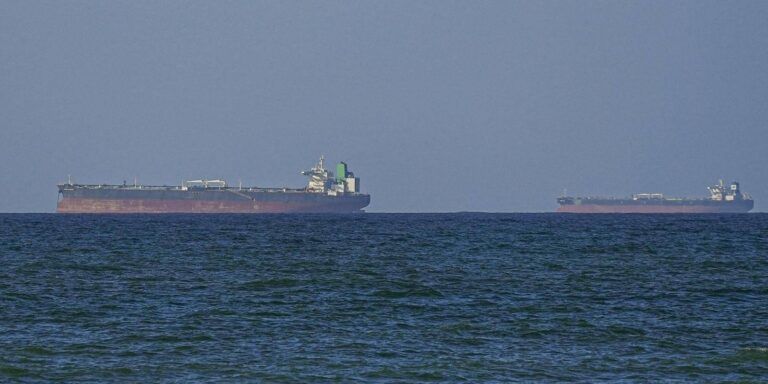
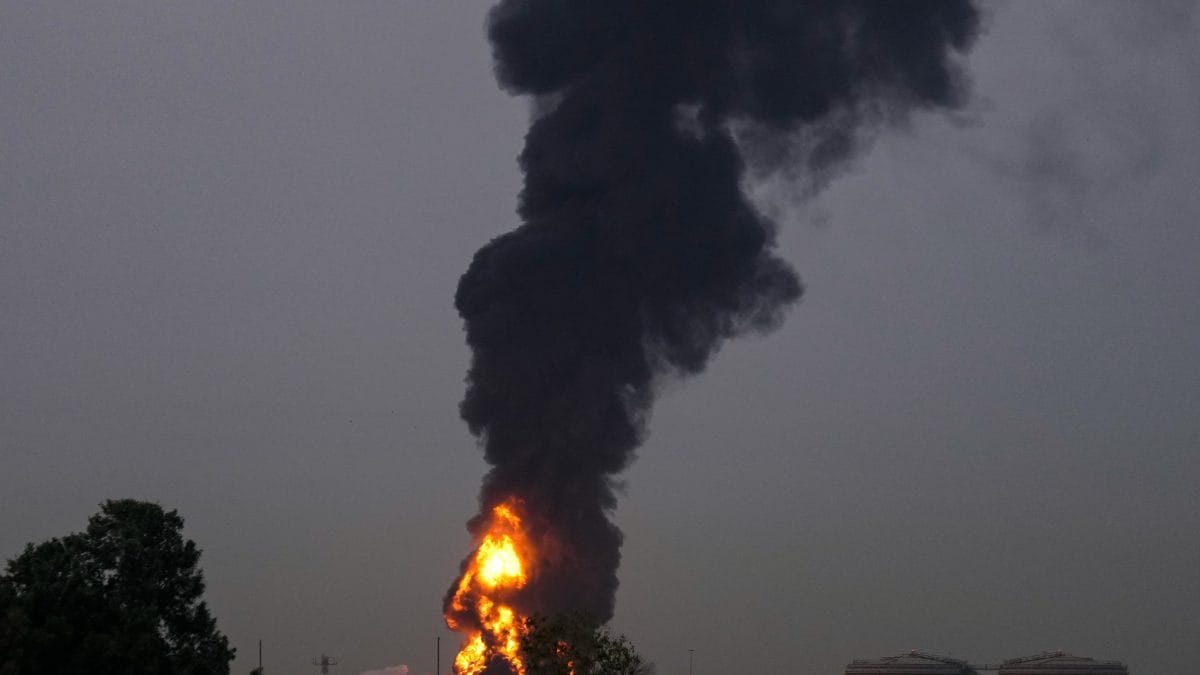
This war just got a lot bigger. Iran struck Qatar’s Ras Laffan Industrial City overnight — the world’s single largest liquefied natural gas export facility — and set it on fire. The attack sent Brent crude past $114 a barrel this morning, the highest since the conflict began. European natural gas futures exploded 25% higher. Two Kuwaiti oil refineries were also struck. A ship burned off the UAE coast. Another was damaged near Qatar.
The Gulf, which the world had been hoping would stay out of the crossfire, is now squarely in it.
How It Escalated This Fast
Israel started it — or this particular chapter of it, anyway. On Wednesday, Israeli and US forces struck South Pars, Iran’s largest gas processing facility in Bushehr Province. Iran and Qatar share the massive South Pars/North Dome field — Iran uses its side mostly for domestic gas supply, while Qatar’s side feeds roughly 20% of the world’s LNG exports. Hitting it was a major escalation. Tehran didn’t take it quietly.
Within hours, Iran’s Revolutionary Guard published a list. Saudi Aramco’s Samref refinery. The Jubail petrochemical complex. The Al Hosn gas field in the UAE. Qatar’s Ras Laffan. All named as “legitimate and prime targets.” The IRGC told civilians to stay away. Then they started shooting.
Overnight, missiles hit Ras Laffan, sparking fires that emergency teams scrambled to contain. QatarEnergy said the damage was “sizeable” and “extensive.” Qatar’s LNG production had already been halted since March 2 after earlier Iranian drone strikes. Thursday’s attack made it worse. Abu Dhabi shut down its Habshan gas facility and Bab oil field, calling the overnight strikes a “dangerous escalation.” Missile sirens went off across multiple Gulf states. Israel warned of more incoming fire.
What $114 Oil Actually Means
Brent has now surged roughly 80% since this war began on February 28. The IEA released 400 million barrels from emergency reserves. The US tapped 172 million barrels from the Strategic Petroleum Reserve. None of it has worked. Prices keep climbing because the problem isn’t reserves — it’s infrastructure. The Strait of Hormuz is still largely blocked. Now the production facilities themselves are getting hit.
Dubai crude — the benchmark Asian buyers use — hit an all-time high above $150 a barrel last week. Oman crude settled above $152 on Monday. WTI in the US is trading around $96. That $50-plus gap between what Americans pay and what Asian markets pay for the same oil is unprecedented. Normally that spread is $5 to $8. Physical crude in Asia is trading at a nearly $40 premium over futures — meaning actual barrels are far scarcer than the paper market suggests.
Citi analysts warned clients this week that Brent could average $130 in Q2 and Q3 if attacks on Gulf energy infrastructure continue and the Strait stays closed. That’s not a fringe forecast anymore. It’s starting to look like a base case.
The “All Bets Are Off” Warning
Tom Kloza, senior energy advisor at Gulf Oil, gave the most alarming assessment of the day. He said markets could enter an “all bets are off” scenario if Iran decides to target energy infrastructure outside the Persian Gulf entirely. “Can you imagine the response in the world if they targeted something outside of the Persian Gulf,” he told CNBC, “a refinery in Rotterdam or a facility somewhere in the United States? That’s when prices could go absolutely apocalyptic.”
Nobody is saying that’s happening. But nobody was saying Qatar was going to get hit two weeks ago either.
Where Things Stand Right Now
France’s Macron called the Qatari emir and Trump on Thursday and pushed for a moratorium on strikes targeting civilian energy and water infrastructure. The EU’s foreign policy chief rang Iran’s foreign minister and said safe passage through Hormuz was a European priority. Israel’s Defense Minister responded to all of it by saying: “No one in Iran has immunity, and everyone is a target.”
Iran also killed Iran’s Intelligence Minister Esmail Khatib in an overnight strike Wednesday — a day after assassinating Ali Larijani, the head of Iran’s Supreme National Security Council, and the commander of the Basij militia. Tehran confirmed all three deaths. Thousands turned out in the streets of Tehran for the funerals on Wednesday afternoon.
The US spy chief Tulsi Gabbard told Congress Thursday that Iran’s government has been “degraded” since February 28 but remains intact and capable. Which means this is nowhere near over. The war is 19 days old. It has already disrupted more of the global energy supply than any conflict in modern history. And as of this morning, it just found a new gear.
About the Author