On Thursday, a reporter asked Donald Trump directly: are you sending troops into Iran? “No, I’m not putting troops anywhere,” he said. Then paused. Then added: “If I were, I certainly wouldn’t tell you.”
That second sentence is doing a lot of work. Because within hours of that answer, Reuters reported that the Trump administration is actively considering deploying thousands of US troops to the Middle East as the Iran war enters its 20th day, and that some of the options on the table involve putting American boots on Iranian soil. Not eventually. Now.
What’s Actually Being Discussed
According to Reuters, which spoke to a US official and three people familiar with the planning, the administration is weighing at least five distinct ground force scenarios.
None of them are a full-scale Iraq-style invasion, which officials broadly describe as off the table. But some aren’t far off.
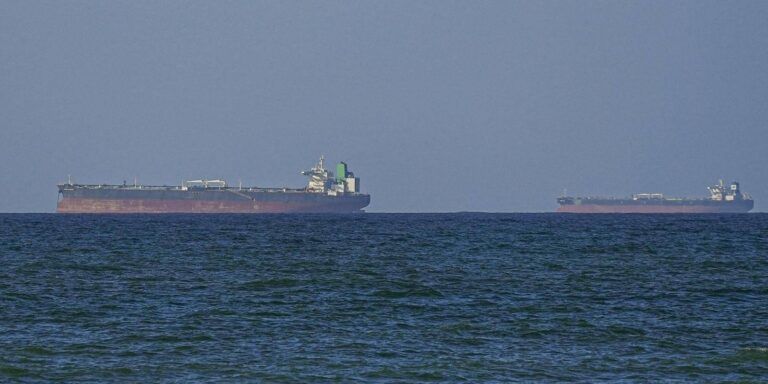
The most discussed option involves deploying troops along Iran’s coastline to force open the Strait of Hormuz to oil tankers.
A second option is seizing Kharg Island, the chokepoint through which 90% of Iran’s oil exports flow.
Trump himself told NBC on Saturday that the US may hit Kharg Island “a few more times just for fun,” which is not quite the language of a man who’s ruled anything out. A third scenario, described privately as “extraordinarily complex and dangerous,” involves sending special operations forces to secure Iran’s stockpiles of highly enriched uranium, material that experts say is buried deep underground and would require a significant troop presence, well beyond a small special forces footprint, to actually secure.
The Marine Expeditionary Unit, a rapid-response force of roughly 2,500 Marines and sailors, has already been deployed to the region. It’s sitting there. Ready. That’s not nothing.
The Problem With Every Option
Iran is not Iraq. It’s four times the size. Its terrain is mountainous, rugged, and deeply unfavorable to any kind of ground operation that isn’t extremely precise and extremely fast.
The US has carried out more than 7,800 strikes since February 28, damaged or destroyed over 120 Iranian vessels, and killed multiple senior commanders, and Iran is still fighting.
Still firing rockets into Israel. Still blocking the Strait. Thirteen American service members are dead. Around 200 have been wounded.
Ground troops, even limited ones, would mark the moment this war stops being an air campaign and starts being something else.
A CNN poll found Americans opposed the idea 60% to 12%. A Quinnipiac poll put it at 74% to 20% against. Even Republicans, even Trump’s own base, are opposed by double digits.
Senator John Kennedy of Louisiana told Fox News: “If he sends in troops, the thud you hear will be me face-planting, because I fainted.” That’s a Republican senator. On Fox News.
The Senate Democrat who attended the classified Iran war briefing on Tuesday, Richard Blumenthal, came out saying he was “the angriest he had been in 15 years in politics.”
He said he had more questions than answers about what the US was actually trying to achieve. That’s the Senate Armed Services Committee, the people who are supposed to know.
The Venezuela Comparison Nobody Should Be Comfortable With
NBC News reported that Trump has privately described his ideal endgame in Iran as something like what happened in Venezuela, where US special forces grabbed Nicolás Maduro in January, installed a friendly government, and the country is now cooperating with the US on oil production.
Trump apparently finds that model appealing and has been pitching it to aides and Republican officials.
The Venezuela operation took about 48 hours and involved a country with a dysfunctional military and zero serious air defenses.
Iran has one of the most extensive air defense networks in the world, a battle-hardened Revolutionary Guard, missiles capable of reaching American bases across the region, and a population of 90 million people.
The comparison isn’t just optimistic. It’s delusional, and the fact that it’s apparently guiding internal White House thinking is more alarming than anything Reuters reported about troop numbers.
What Happens Next
No decision has been made. The White House’s official line, “President Trump wisely keeps all options at his disposal”, is the kind of statement that means everything and nothing at the same time.
Defense Secretary Pete Hegseth said the US is “willing to go as far as we need to.” That’s not a denial.
The war is 20 days old. The Strait of Hormuz is still blockaded. Oil is above $114. Qatar’s biggest LNG facility is on fire. Iran’s new Supreme Leader is not negotiating.
The $200 billion supplemental budget request is stalled in Congress. And the administration is now floating the possibility of the one escalation that would turn a bad situation into something historians would write about for decades.
Trump promised no new wars. He campaigned on it. He said it repeatedly. He meant it, probably. But here we are.
About the Author