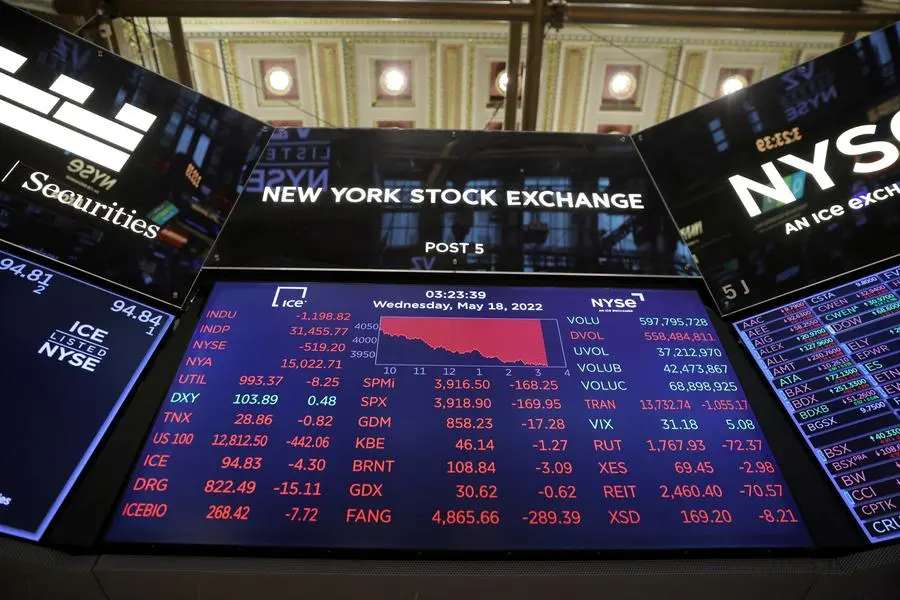
On Friday, the S&P 500 closed at 6,506. Six months ago it was above 7,000.
That gap, 500 points, represents six months of gains that the Iran war erased in three weeks.
The Dow fell 444 points on Friday alone, closing at 45,577. The S&P 500 dropped 1.51% and the Nasdaq slid 2%. The Russell 2000, which tracks smaller US companies, fell more than 2% and slipped into correction territory, meaning it is now 10% below its recent high.
All three major indexes closed at their lowest levels since September, wiping out every gain made since then.
It was the fourth straight losing week for the Dow and the S&P 500. The Dow’s four-week losing streak is its longest since 2023. The S&P 500’s is its longest in a year.
And the bond market, the gold market, and the oil market are all flashing signals that suggest next week may not be better.
What Drove Friday’s Selloff
The immediate trigger was oil.
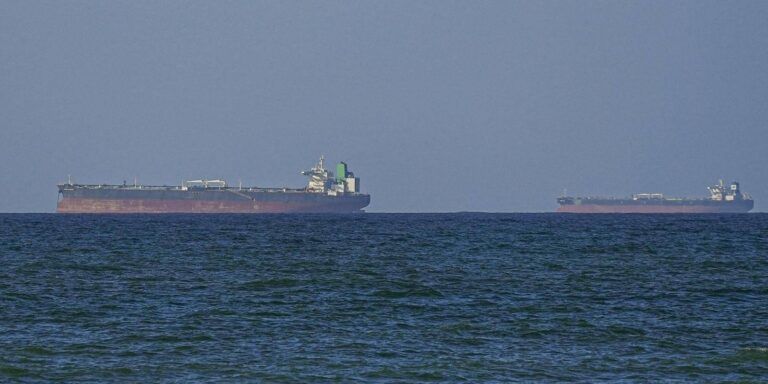
Brent crude climbed 3.3% on Friday to settle at $112.19 a barrel after Iraq declared force majeure at all oilfields operated by foreign companies, saying it could not ship crude through the Strait of Hormuz. Two Kuwaiti refineries were hit by Iranian drones overnight. Iran hit Israel again. Israel hit Tehran again.
The market had been hoping oil would retreat. Instead it accelerated into the close.
That acceleration crushed any remaining hope that the Federal Reserve might cut interest rates in 2026. Traders have now canceled nearly all their bets on Fed rate cuts this year, according to CME Group data. Some are pricing in a 12% chance the Fed actually raises rates, something almost nobody thought possible before February 28.
“I think it would be market shaking,” said Ann Miletti, head of equity investments at Allspring Global Investments, about a potential rate hike. She added that sustained high oil prices would likely drag the economy down enough that the Fed would ultimately hold rather than hike. Cold comfort for investors who came into 2026 expecting multiple rate cuts.
The Bond Market Is Sending a Warning
When stocks fall and bond yields rise simultaneously, it is usually a sign that markets are pricing in stagflation, the combination of slowing growth and rising inflation that is the hardest economic environment to navigate.
That is exactly what is happening right now.
The yield on the 10-year Treasury jumped to 4.38% on Friday, up from 4.25% Thursday and from just 3.97% before the war started. That is a significant move for the bond market in a matter of weeks. The two-year yield, which tracks Fed expectations more closely, hit its highest level since summer.
Higher yields mean higher borrowing costs for households and businesses. Higher borrowing costs slow spending. Slower spending slows the economy. A slowing economy normally pushes the Fed to cut rates. But if oil-driven inflation is still running hot, the Fed can’t cut. It’s a trap, and the market is staring into it.
Nathan Peterson at Schwab’s Center for Financial Research put it plainly: “PPI has come in hot two months in a row, so it’s not just about Iran and higher oil prices. It’s also about sticky inflation and market expectations around Fed policy.”
Gold Had Its Worst Week in Years. That’s Not Good News Either.
In a normal crisis, gold goes up. Investors sell risky assets and buy gold as a safe haven. That’s the playbook that has worked for decades.
This week, gold fell nearly 10%. Its worst performance since February 1983.
Silver dropped more than 10% in a single day. Copper fell. Precious metal mining stocks cratered.
When even gold is selling off in a crisis, it means investors aren’t just rotating out of risk. They are raising cash. They are covering margin calls. They are liquidating everything they can.
David Laut, chief investment officer at Kerux Financial, described the market’s current psychology: “The stock market remains in negative territory for the year and has made new 2026 lows this week, which suggests that the market may not have yet found its bottom and is still in the process of sorting out and pricing in the duration of the Middle East conflict and oil price outlook.”
Duration. That is the word everyone on Wall Street is circling right now. Not severity. Duration.
The Broader Economic Picture Behind the Numbers
This week brought several pieces of economic data that would have been alarming even without a war running in the background.
Fourth quarter 2025 GDP growth was revised down to just 0.7%, from an already-disappointing initial estimate of 1.4%. Consumer spending weakened. The Atlanta Fed’s GDPNow model is tracking first quarter 2026 GDP at 2.3%, down from 2.7% a week ago. The first quarter only captures one month of war impact. The second quarter will capture three months. That number is going to be significantly worse.
The Producer Price Index came in hotter than expected for the second straight month, confirming that inflation is not coming down on its own even before war-driven energy costs fully filter through supply chains.
A Bloomberg survey of analysts this week showed the average forecast for full-year 2026 US GDP growth at 2.5%, which sounds reasonable until you notice that number was set before Friday’s data. It will be revised lower next week.
Who Is Getting Hurt and Who Isn’t
Not every corner of the market is suffering. Energy stocks were the only S&P 500 sector to end Friday in the green. Oil companies are printing money right now. Every dollar added to the price of a barrel is pure revenue for producers.
But the rest of the market is absorbing the damage. DoorDash hit lows not seen since late 2024. Home Depot hit lows not seen since June. Domino’s Pizza is trading at levels last seen in 2023. McCormick, the spice company, hit its lowest price since 2018. Super Micro Computer is down 25% after the chip smuggling arrests. Adobe dropped 8% after its CEO announced he would step down.
These are not companies with direct exposure to the Middle East. They are consumer companies, software companies, food companies. When they sell off in a war, it means markets are pricing in a broader slowdown, not just an energy shock.
The Nasdaq is now 9.65% below its October peak. One more bad week and it enters official correction territory. The Dow is 9.2% off its February 10 peak. The S&P 500 is down 6.77% from its late January high.
What Next Week Looks Like
Investors heading into the weekend are not looking for good news. They are looking for war developments. That has been the pattern every Friday since February 28. Don’t take new positions. Wait and see what happens over the weekend. Come back Monday and react.
Next week brings the government’s final fourth quarter GDP estimate. It is expected to be revised down again. The Atlanta Fed’s GDPNow model will update again. PCE inflation, the Fed’s preferred measure, releases Friday. If it comes in hot, it kills any remaining chance of a rate cut this year.
The war is 21 days old. The Strait is still largely closed. Iraq has declared force majeure. Kuwait’s refineries are on fire. Iran launched its 70th wave of attacks on Friday. Trump says the US is considering winding down. The Pentagon is sending 2,500 more Marines.
The market is trying to price all of that into a single number. Right now that number is 6,506 on the S&P 500, down from above 7,000 six months ago, and nobody on Wall Street is confident it has found its floor yet.
About the Author