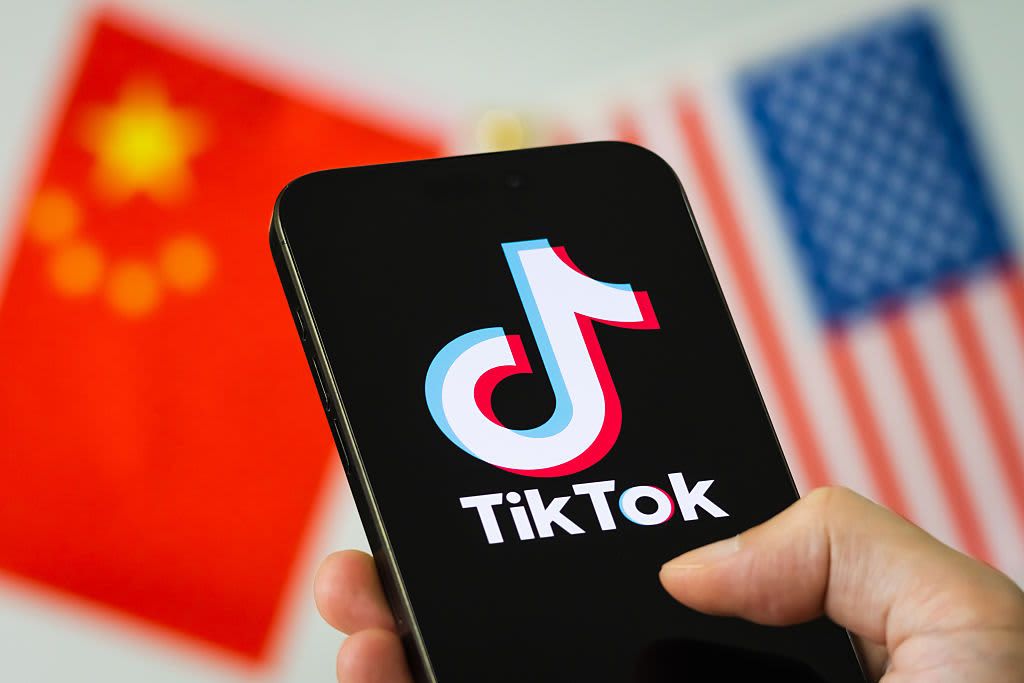
For the better part of five years, Washington treated ByteDance like a one-product company. Ban TikTok, problem solved. That was the logic, and it was always a little naive.
ByteDance isn’t a social media company that happens to own TikTok. It’s one of the most aggressive AI development operations on the planet, and TikTok was only ever the most visible thing it built.
The ban saga finally ended, sort of, on January 22, 2026, when TikTok’s US operations were folded into a new joint venture led by Oracle, Silver Lake and Abu Dhabi’s MGX. ByteDance retained 19.9%, just under the 20% cap the law allows.
Trump called it a win. Critics called it a loophole dressed up in paperwork. Whatever it was, it gave ByteDance something valuable: breathing room. And it’s been using that breathing room to move fast.
The AI Push Nobody Was Watching
While Congress was debating TikTok’s algorithm, ByteDance was quietly hiring nearly 100 AI researchers in the US, engineers and scientists recruited specifically to compete with OpenAI, Google DeepMind, and Anthropic. Not to support TikTok. Not to edit videos. To build foundation models. The kind that power entire product ecosystems.
Then came Seedance 2.0. In February, ByteDance released its AI video generation model, think OpenAI’s Sora, but with sharper motion, more realistic output, and almost no guardrails.
You type two lines of text and it generates cinematic-quality footage. Within days of launch, users were generating Tom Cruise fighting Brad Pitt, Spider-Man swinging through Manhattan, and Baby Yoda doing things Disney definitely didn’t authorize.
Disney sent a cease-and-desist. So did Paramount. The Motion Picture Association called it copyright infringement on a “massive scale.” ByteDance hasn’t pulled the tool.
Seedream 5.0, its image generation model, landed inside CapCut in February, supporting 2K and 4K image generation, with precision prompt understanding that rivals Midjourney and Adobe Firefly.
And CapCut, for context, has been downloaded over a billion times on Android alone.
It’s the top video app on the US iOS App Store. More downloads than Instagram. More than YouTube. ByteDance just plugged a powerful AI image generator into an app sitting on more than a billion phones.
The Money Behind It
This isn’t a side project. ByteDance is spending $23 billion on AI infrastructure in 2026, up from $21 billion last year. More than half of that goes directly to semiconductors for training and running AI models.
The company has been working around US chip export restrictions by storing Nvidia hardware in data centers outside China, primarily in Southeast Asia.
In March, it partnered with Aolani Cloud to deploy 36,000 Nvidia Blackwell B200 chips in Malaysia, one of the largest single AI compute deployments in the region.
For comparison, OpenAI’s entire compute budget last year was estimated at around $4 billion. ByteDance is spending nearly six times that, and it already has a billion-plus user distribution network to push products into.
That’s not a startup trying to catch up. That’s a company that’s been building quietly while everyone was looking somewhere else.
The Actual Problem With the TikTok “Fix”
Here’s what the deal didn’t solve. ByteDance still owns the TikTok algorithm, the US joint venture licenses it, doesn’t own it.
ByteDance still controls the global version of TikTok. Its other apps, CapCut, Lemon8, Gauth, Doubao, are in a legal grey zone.
The law that targeted TikTok named ByteDance broadly, which technically means all its apps are subject to the same divestment requirements.
Lawsuits are already arguing that the deal doesn’t actually comply with what Congress passed, that ByteDance still controls critical operations, and that the whole arrangement amounts to Trump rewarding allies who invested in the new venture.
Timothy Edgar, a Harvard Law cybersecurity expert who helped design the original national security framework for TikTok under Obama, put it bluntly: “In my view, the deal has made the problem even worse.”
The privacy protections that existed before the sale, negotiated over years with CFIUS, no longer formally apply.
Oversight now depends on audits and enforcement, not hard structural requirements. And enforcement, under this administration, is an open question.
What’s Actually Coming
ByteDance’s Doubao chatbot, its answer to ChatGPT, already has over 100 million monthly users in China. The international version, Dola, is live.
A standalone AI assistant app competing directly with ChatGPT and Gemini in Western markets isn’t a rumor, it’s already in motion. The company has released 22 AI products in the last six months. Not features. Products.
Washington spent five years treating the TikTok problem like a social media problem. It was always an AI problem.
The difference is that social media you can see, you can count the users, track the videos, measure the influence. AI infrastructure is different.
You can’t see the chips in a Malaysian data center. You can’t watch a foundation model being trained.
And by the time the output shows up in an app that a billion people are already using, the question of whether to let it in has already been answered.
About the Author