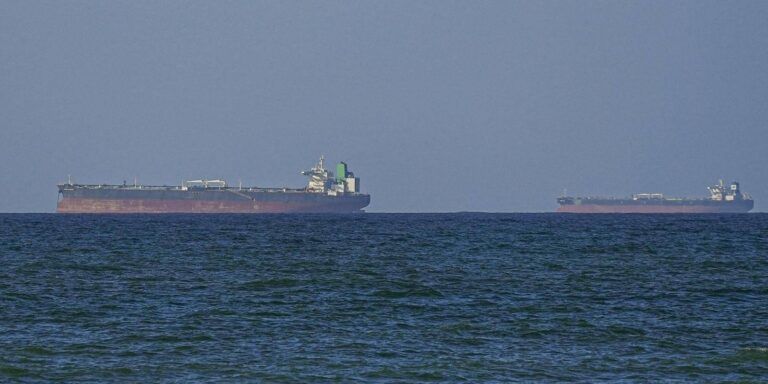
Somewhere off the coast of Oman right now, about 150 oil tankers are sitting at anchor doing absolutely nothing. They’ve been there for days, some for weeks. They’re not broken down. They’re not waiting on paperwork. They just can’t move, because the water ahead of them belongs to Iran now, and Iran has made it very clear what happens to ships that try to pass.
This started on February 28, when the US and Israel hit Iran hard, killing Supreme Leader Ali Khamenei along with dozens of his senior commanders. The strikes were supposed to end something.
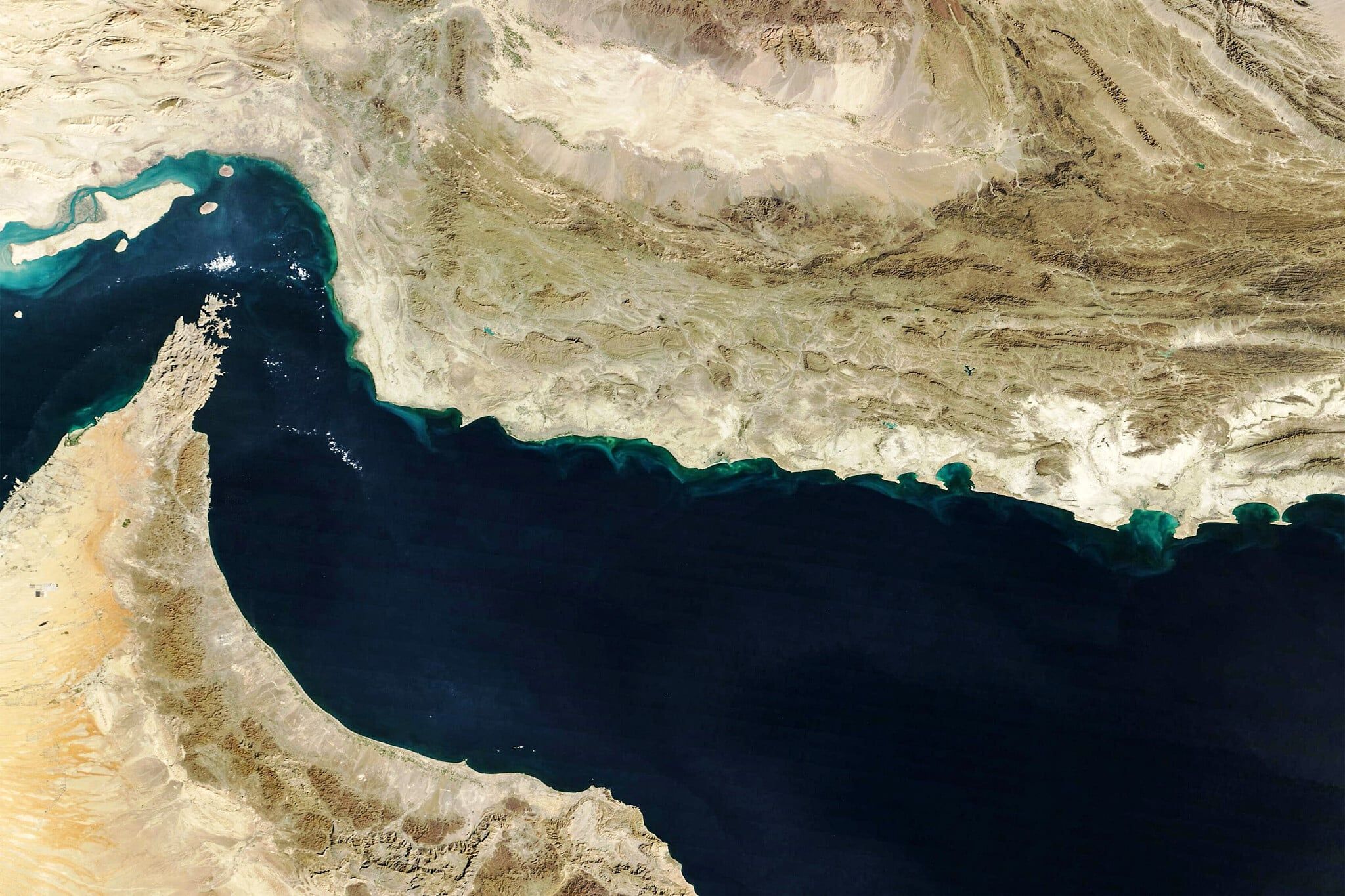
Instead they started something. Within 72 hours, Iran’s Revolutionary Guard had declared the Strait of Hormuz off-limits to any vessel with ties to the US, Israel, or their allies. Maersk pulled out. Hapag-Lloyd pulled out. The tankers stopped coming.
A fifth of the world’s oil moves through that strait. So does a third of global fertilizer trade, and about 20% of the world’s liquefied natural gas. It’s not a chokepoint, it’s the chokepoint.
What This Is Doing to Oil Prices
Oil shot past $120 a barrel in the first week. It’s bounced around since, dipping to $87 at one point before climbing back above $100, but nobody’s pretending the market is stable.
The IEA called it the biggest supply disruption in the history of the global oil market and unlocked 400 million barrels from emergency reserves. Prices barely flinched.
Americans filling up their tanks are already paying more than 50 cents extra per gallon compared to before the strikes. Trump went on TV and told ship captains they’d be “very safe” sailing through.
The Pentagon, separately, admitted the Navy wasn’t yet in a position to escort commercial vessels through the strait. Make of that what you will.
Food Prices Are Next
Most people are focused on oil. But fertilizer might be the sneakier problem. Prices have jumped from $475 to $680 per metric ton since the closure, bad timing given that US corn and soy farmers are weeks out from spring planting.
If this doesn’t open up soon, grocery bills follow oil bills upward. That’s before you factor in plastics, pharmaceuticals, aluminum, electronics, all the other stuff that moves through this corridor that nobody talks about until it stops moving.
Asia’s getting hammered. Japan gets 95% of its crude from Gulf states and 70% of that travels through Hormuz, which means Japan is basically entirely dependent on a waterway controlled by a country it has no leverage over right now. China’s in a similar spot. South Korea. Taiwan. These are major industrial economies running on fumes.
Goldman Sachs put US recession odds at one in four if oil stays above $110. Oxford Economics went further, they said $140 oil for two months straight would tip the eurozone, the UK, and Japan into recession while effectively freezing the US economy. Global inflation back above 5%. That scenario isn’t a worst case anymore. It’s becoming a base case.
Why Iran Hasn’t Just… Opened It Back Up
There’s a genuine tension here that analysts keep pointing to. Iran needs oil revenue too, it’s been quietly shipping crude to China throughout this whole thing, and that money funds the war. Some traders think that economic logic eventually forces a partial reopening. Maybe. But that assumes the new leadership is thinking like accountants.
They’re not. Mojtaba Khamenei, son of the man the US just killed, and now Supreme Leader, gave his first major speech this week. He didn’t talk about negotiations. He didn’t hint at off-ramps. He said Iran would make its enemies “drown in the sea of our resistance.” That’s not a man who’s about to reopen shipping lanes.
For decades, the Strait of Hormuz was treated as a fact of life, something that would just always be there, always be open, always be someone else’s problem to protect. Nobody who built the global energy system around it seems to have left much room for the possibility that one day it wouldn’t be. That day is now.
About the Author