On Friday afternoon, Donald Trump posted on Truth Social that the United States is “getting very close to meeting our objectives” and is actively considering “winding down our great Military efforts in the Middle East.”
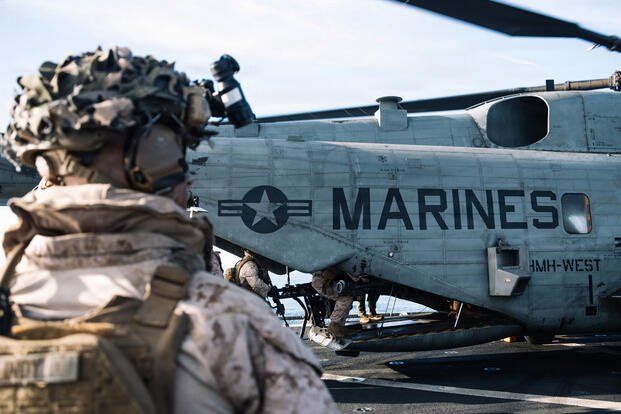
Within hours of that post, the Pentagon confirmed it was sending three more warships and an additional 2,500 Marines to the region.
That same day, Trump ruled out a ceasefire, said he doesn’t want to negotiate, kept the door open to deploying ground troops, called NATO allies “cowards,” and asked Congress for $200 billion more to fund the war.
That is not what winding down looks like.
What Trump Actually Said
The Truth Social post landed Friday afternoon. Trump wrote that the US had degraded Iran’s missile capabilities, destroyed its navy, air force, and anti-aircraft weaponry, prevented Iran from obtaining a nuclear weapon, and protected Gulf Arab allies.
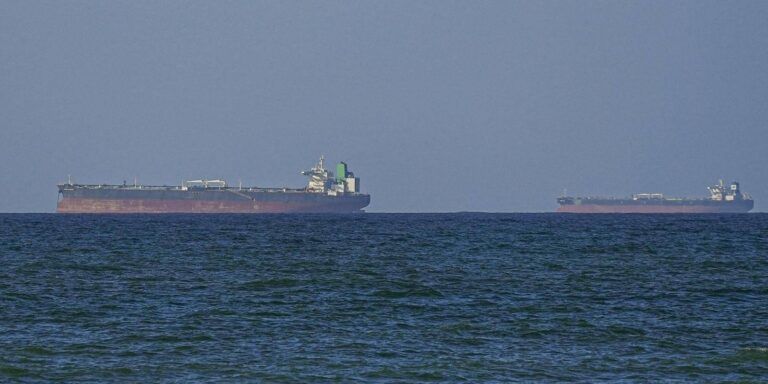
He said the Strait of Hormuz “will have to be guarded and policed, as necessary, by other Nations who use it. The United States does not!”
Then he added, almost as an aside: “If asked, we will help these Countries in their Hormuz efforts, but it shouldn’t be necessary once Iran’s threat is eradicated. Importantly, it will be an easy Military Operation for them.”
Earlier, talking to reporters on the South Lawn before departing for Florida, Trump was asked directly about a ceasefire. His answer was: “We could have dialogue, but I don’t want to do a ceasefire. You know you don’t do a ceasefire when you’re literally obliterating the other side.”
He also said: “They don’t have a navy. They don’t have an air force. They don’t have any equipment.” And then: “We’re hot! We’re winning!”
This is the same day he posted that the US is considering winding down.
What the Pentagon Is Actually Doing
While Trump was posting about winding down, the USS Boxer, an amphibious assault ship carrying thousands of Marines, had already left California and was headed toward the Persian Gulf.
It will arrive in approximately three weeks. Three more warships are accompanying it. This is the second major Marine deployment to the region in one week.
The administration’s $200 billion supplemental war funding request is still sitting in Congress. Pentagon officials told reporters this week the request “could move,” meaning it could get bigger.
Separately, the White House is still internally debating options to force the Strait of Hormuz back open, including seizing Kharg Island, Iran’s primary oil export terminal. That is not a winding-down operation. That would be a significant escalation.
One senior official described the president to Axios as “divided.” On one hand, Trump is worried about oil prices and frustrated that allies won’t help with the Strait. On the other, he is, in that official’s words, “thrilled with the raw exercise of military might obliterating Iranian leaders and military capabilities.”
“We’re hot! We’re winning!” he told a confidant who opposed the war and relayed the remark to reporters. That confidant presumably does not share the enthusiasm.
What Iran Is Actually Doing
Iran launched its 70th wave of missile and drone attacks against US and Israeli assets on Friday. Seventy waves. In 21 days.
Kuwait’s air defense systems were responding to a fresh missile and drone attack Saturday morning.
Iranian drones struck the Mina Al-Ahmadi refinery in Kuwait overnight, igniting fires at several operational units. There were no injuries, but the refinery, one of the largest in the Gulf, was damaged.
Israeli airstrikes hit Tehran again Friday. Footage circulating on social media shows widespread destruction in Bandar Abbas, Iran’s main southern port city, following overnight US and Israeli strikes.
Iran’s government released a brief statement Saturday morning saying it “does not believe” Trump’s winding-down claim. A senior Iranian source told CNN flatly that Tehran views the Truth Social post as political theater, not policy.
The Strait of Hormuz remains largely closed. Oil is at $112 a barrel, its highest point since the war began. Goldman Sachs said Friday it expects elevated prices to persist through 2027.
The Energy Crisis Is Now Running the Strategy
There is a more honest explanation for Trump’s “winding down” language, and it has nothing to do with military objectives. It has to do with the price of gas.
The administration privately estimates that oil prices elevated by the war could linger for months.
United Airlines CEO Scott Kirby told staff this week he expects crude to stay above $100 a barrel until the end of 2027, and potentially spike as high as $175.
The airline is planning to cut less-profitable flights and has already suspended Tel Aviv and Dubai routes.
In response to rising prices, the Treasury this week lifted sanctions on 140 million barrels of Iranian oil already loaded on ships.
That is: the United States is at war with Iran and is simultaneously buying Iranian oil to manage the economic damage from the war it started with Iran.
The administration also lifted sanctions on Russian crude earlier this month.
It has tapped the Strategic Petroleum Reserve. It waived the Jones Act to allow foreign ships to carry oil between US ports.
Every one of these moves is a short-term patch on a structural problem, and every expert asked about them has said the same thing: they are “not enough” and “take too long.”
Beth Sanner, former deputy director of national intelligence, said at a CNN town hall Friday that the administration is trying to do “little, tiny things that make it seem like they’re doing something” on oil prices. She said none of it would significantly lower prices in any meaningful timeframe.
What Winding Down Would Actually Require
For the war to actually wind down in any meaningful sense, the Strait of Hormuz would need to reopen.
The Strait is not open. Iran has not agreed to open it. Trump has now publicly said it is not America’s responsibility to open it, passing the problem to “other nations.” Those other nations, as we have covered at length, have declined to send ships.
So the Strait stays closed. Oil stays above $100. Global supply chains stay disrupted.
The war’s economic damage continues accumulating. And the president of the United States posts on Truth Social that things are winding down.
Trump originally wanted the war over before the end of March, according to sources familiar with his thinking. March ends in ten days. The USS Boxer won’t arrive in the Gulf for another three weeks.
Iran knows the timeline as well as anyone. That may be exactly why they’re still shooting.
About the Author